

1. Before the Exam - Preparation
- Know the syllabus — Focus on key topics.
- Make a study plan — Prioritize weaker areas.
- Understand concepts — Avoid rote learning.
- Use mind maps & charts — Quick revision tools.
- Practice answer writing — Past papers for speed & accuracy.
- Revise key terms & dates — Keep a notebook of facts.
- Explain to a friend — Reinforce understanding.
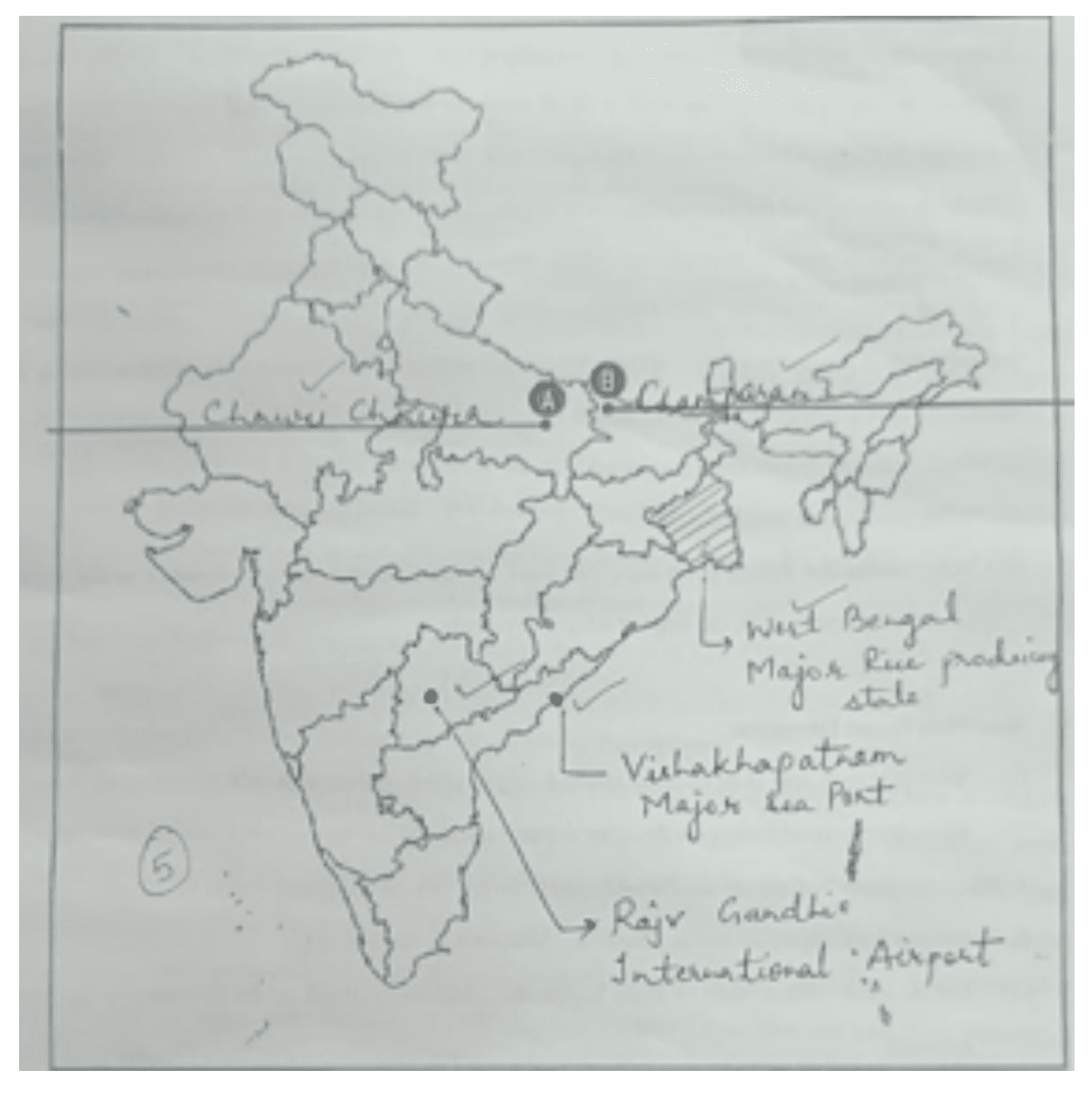
- Revise map work — Practice regularly on blank maps.
- Stay healthy — Short breaks, good sleep, light exercise.
“Preparation is not about hours; it’s about smart focus.”
2. Syllabus Breakdown
Latest Syllabus| Subject | Weightage | Key Topics |
|---|---|---|
| History | 20 Marks |
|
| Geography | 20 Marks |
|
| Political Science | 20 Marks |
|
| Economics | 20 Marks |
|
3. Paper Pattern
| Type | Marks | Word Limit |
|---|---|---|
| MCQ | 1 Mark | — |
| Very Short Answer (VSA) | 2 Marks | 40 words |
| Short Answer (SA) | 3 Marks | 60 words |
| Case-Based Question | 4 Marks | 100 words |
| Long Answer (LA) | 5 Marks | 120 words |
Map Work (5 Marks Total)
History: 2 Marks | Geography: 3 Marks
“Every mark is waiting for you, go claim it!”
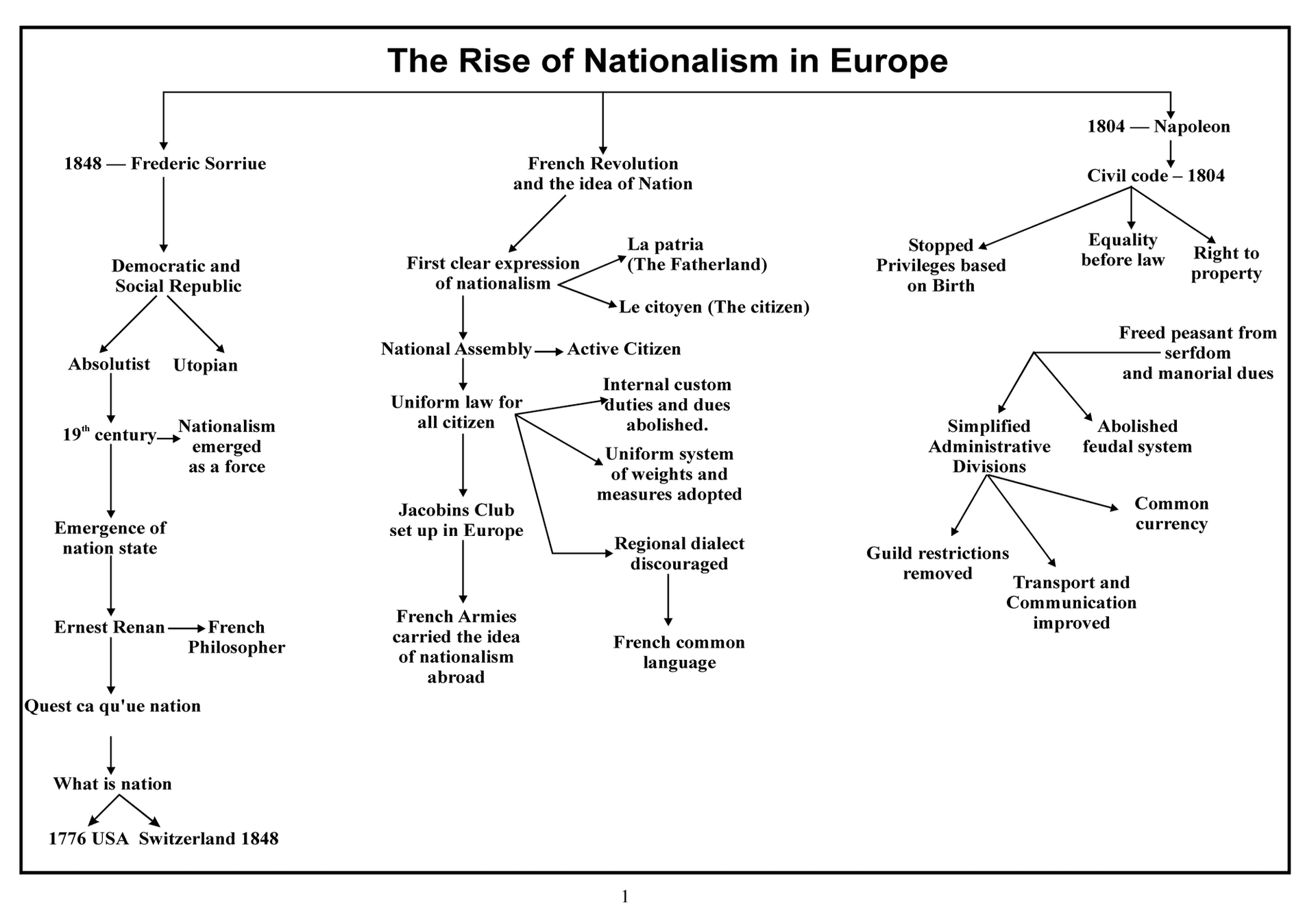
4. Make Mind Maps
Visualise Your Syllabus
Condense entire chapters into single pages. Visual connections make it much easier for your brain to recall information during the exam.
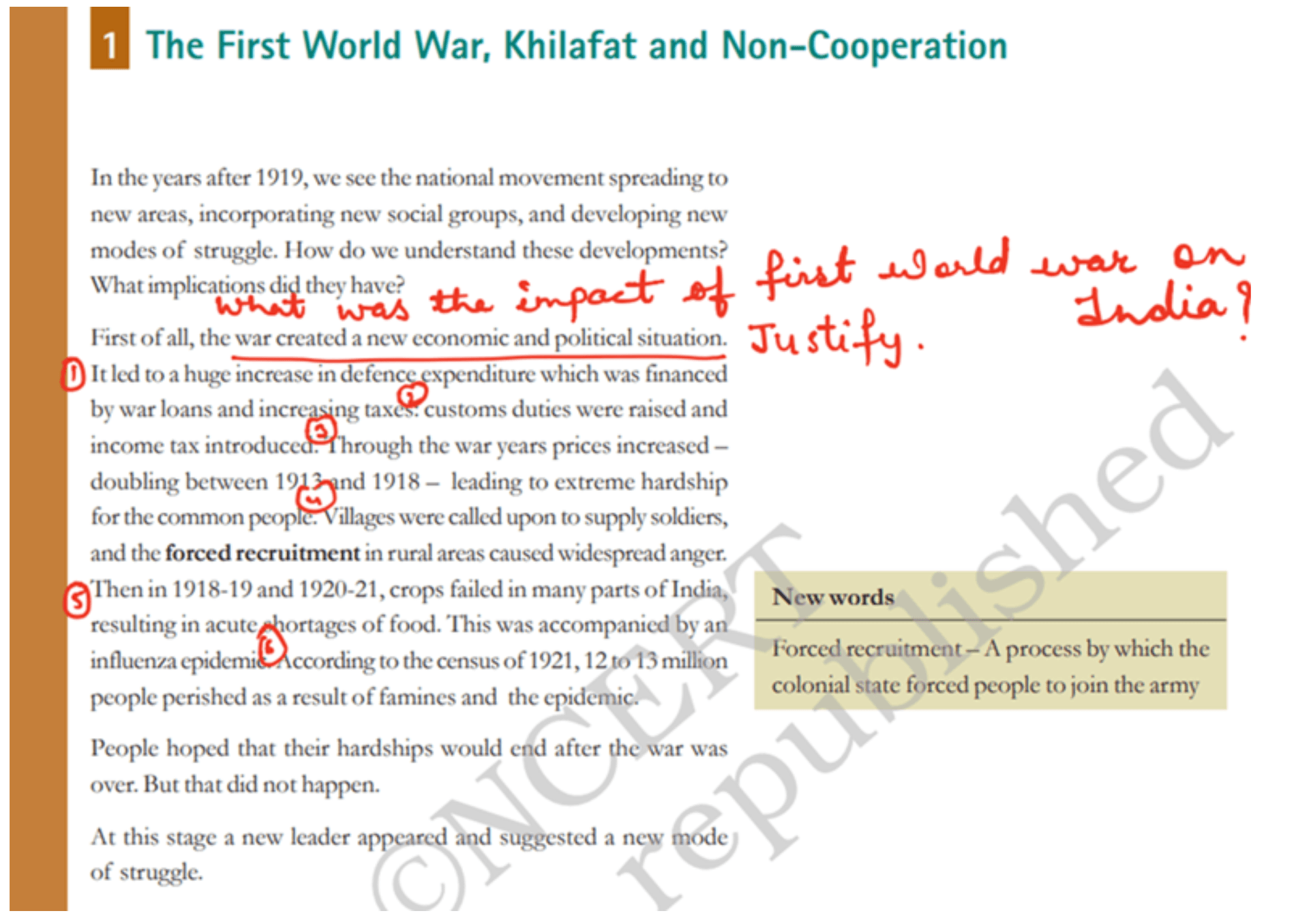
5. Make Your Book Your Guide
Annotate and Highlight
Don't rely just on external notes. Turn your NCERT book into your ultimate guide by highlighting keywords and writing short notes in the margins.
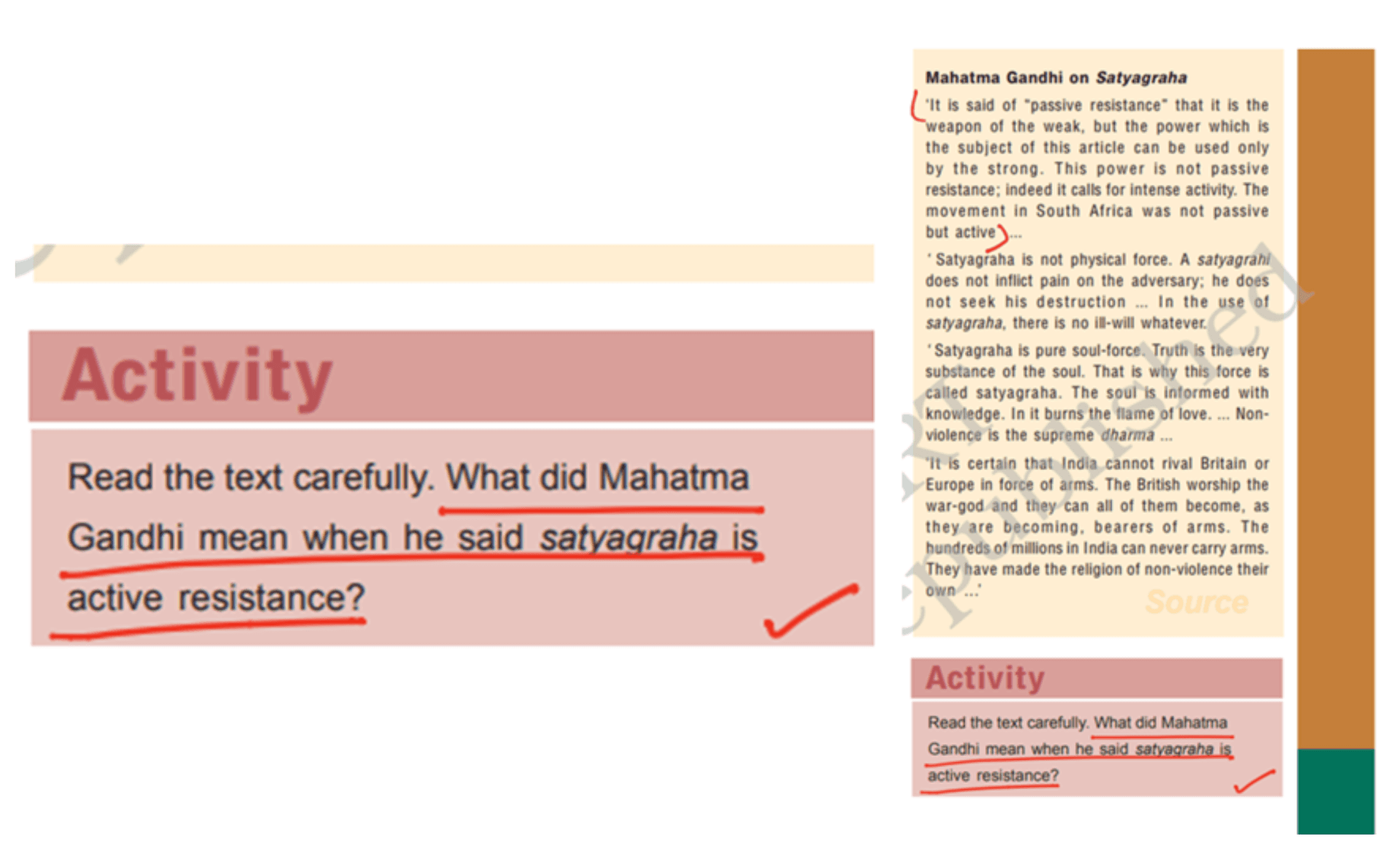
6. Activity Based Questions
Don't Skip the Boxes!
Examiners love testing your analytical skills using the image-based sources and activity boxes scattered throughout the chapters.
7. Subjective Questions: Make Key Points
Question: How was the handling of the social conflict in Belgium different from that of Sri Lanka?
- Belgium: Accommodation of differences|Sri Lanka: Majoritarian Policy
- Belgium: Equal representation|Sri Lanka: Preferential policies
- Belgium: Community government|Sri Lanka: Buddhism promoted
- Belgium: Peace & development|Sri Lanka: Civil war
8. During Exam - Smart Writing
- Read instructions twice before starting to avoid silly mistakes.
- Number answers properly exactly as they appear on the question paper.
- Write in bullet points + bold headings instead of long, blocky paragraphs.
- Always underline keywords to draw the examiner's eye.
- Keep 15-20 minutes at the end exclusively for revision.
- Check spelling, verify facts, and ensure all questions have been attempted.
“Presentation is half the battle—make your paper examiner-friendly.”
9. Do's & Don'ts
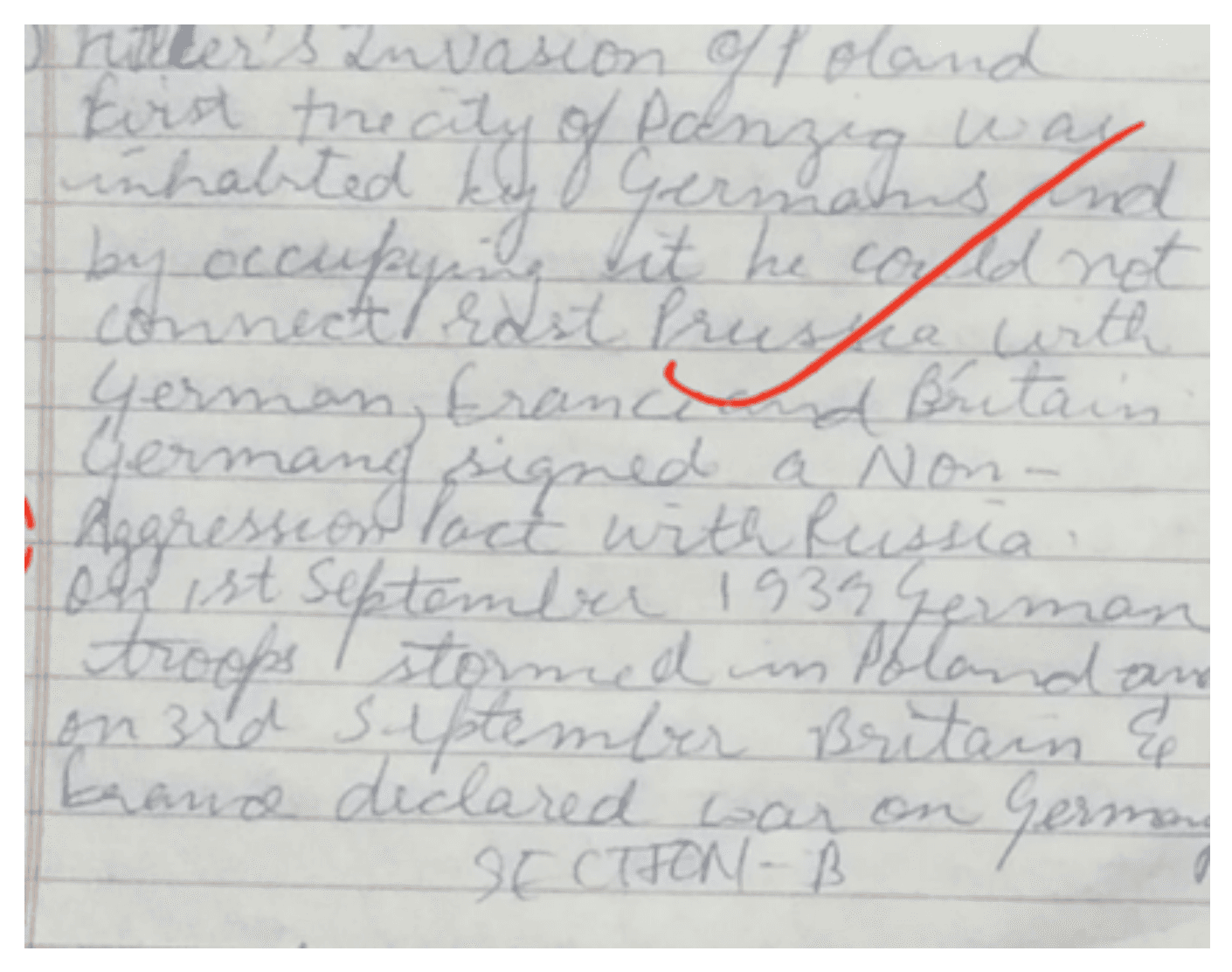
Long blocks of text are hard to read and examiners might miss your key points.
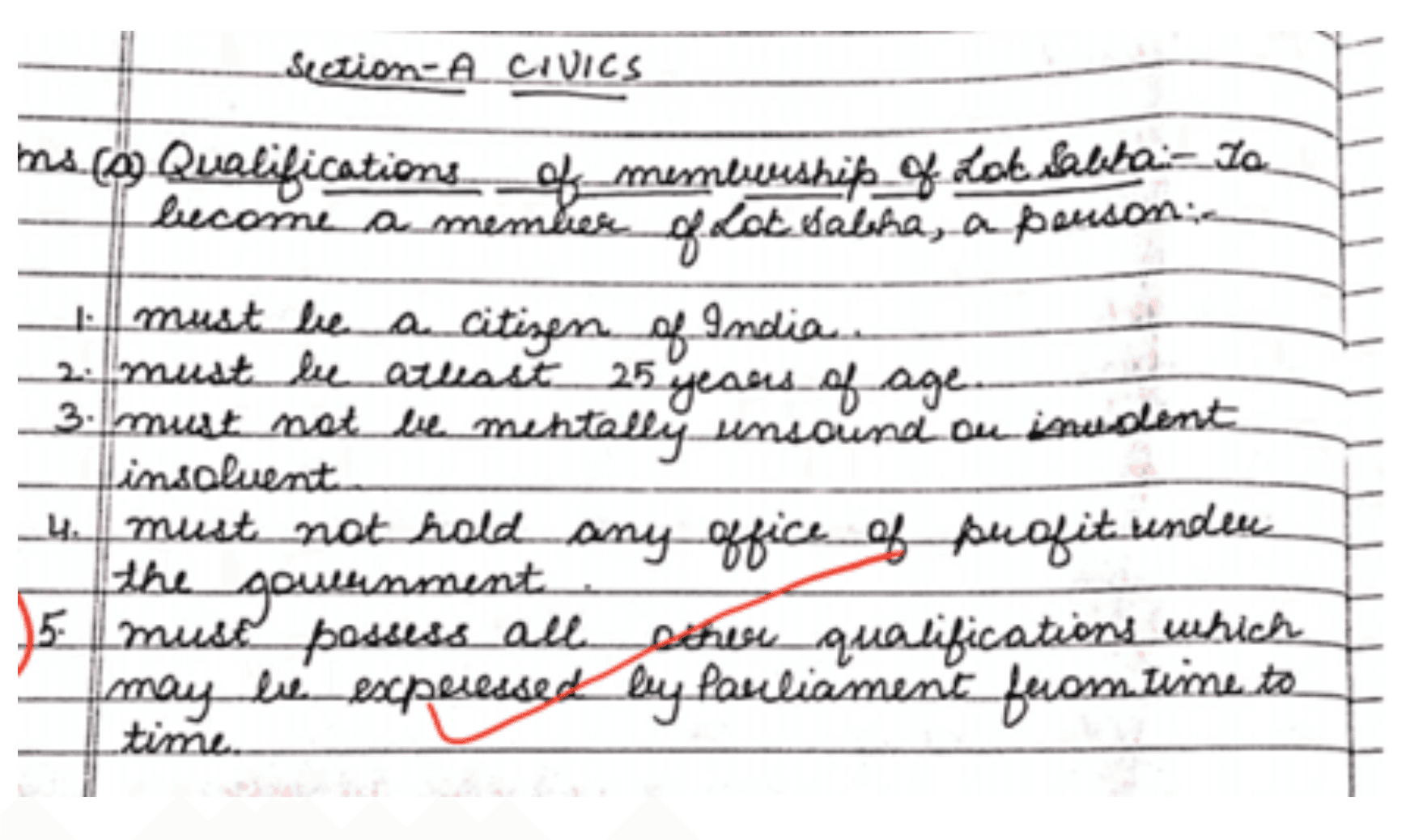
Structured points with bold headings make your paper incredibly examiner-friendly.
10. After the Exam
- Don't overanalyse mistakes once the paper is handed over.
- Note areas for improvement for your future reference.
- Take a short break to let your mind properly reset.
- Stay positive & motivated regardless of how it went.
Let it go, and focus entirely on the next exam! 🚀